We work for
Clients we are proud of


Can bog mats be used as a temporary bridge
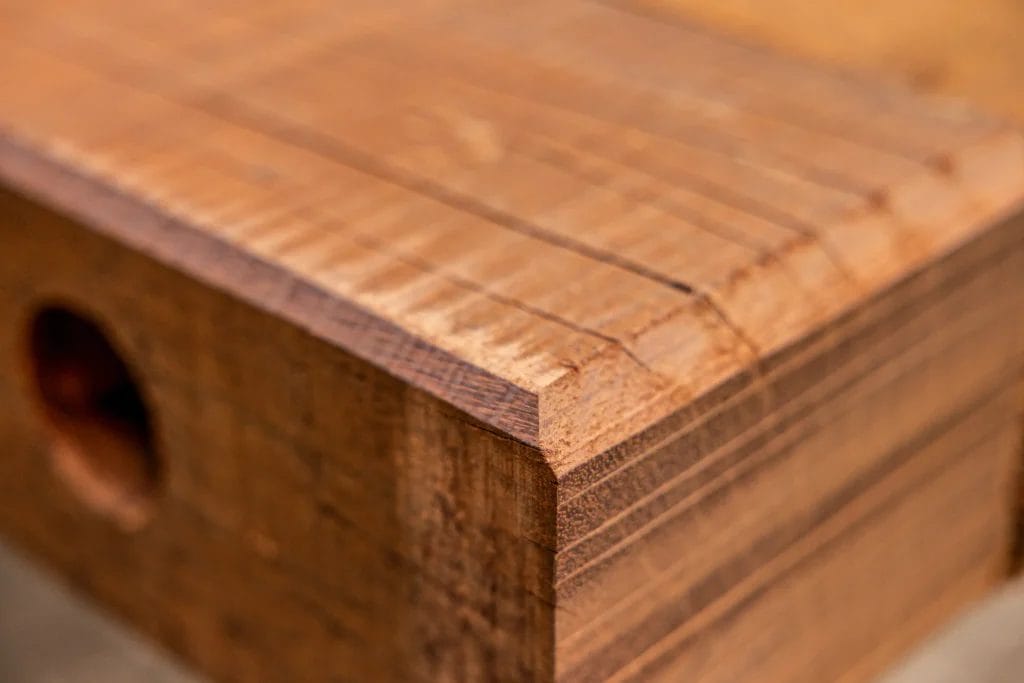
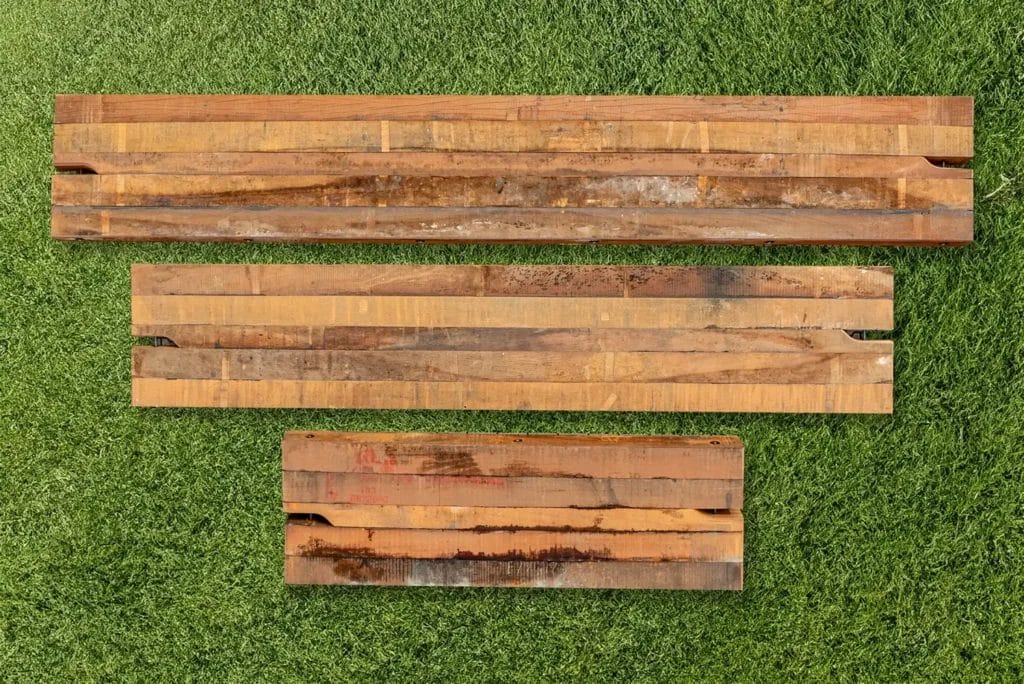
A ditch or excavation can interrupt access to a work area, even when the route on either side is straightforward. Timber mats may form part of a temporary crossing, but a ground protection mat should not be assumed to be a suitable bridge. Once it spans an unsupported opening, the loads and the way it carries them change.
The question is therefore not just whether a mat is long enough to reach the other side. A suitable crossing depends on its design, the span, the supports and the traffic it is intended to carry. The term bridge mats is a product description, not proof that a particular mat is suitable for your crossing.
Why spanning an opening changes the job
A mat resting on the ground receives support across some or all of its underside. Over an opening, it has to transfer the applied load to the supports at its ends or to any intermediate supports included in the design. That introduces bending and deflection as well as loads at the support positions.
A product used successfully for ground-supported access may behave very differently in that arrangement. Mat thickness, timber specification and condition matter, but they cannot be assessed in isolation from the span and load positions.
Small openings still require assessment. There is no universal safe ditch width or vehicle weight that can be given for all timber bog mats. A low travel speed does not make an unsuitable crossing structurally adequate.
List every intended user, including delivery vehicles, excavators, telehandlers and any pedestrians. Give the designer the relevant vehicle and axle loads, wheel or track contact information and the expected movements. Include loaded vehicles rather than just their empty weights.
Traffic may approach at an angle, brake near the crossing or need to turn after leaving it. These movements can affect both the structure and its supports. Public access, edge protection and the consequences of a vehicle leaving the running surface also need consideration.
Agree any limits on use as part of the approved arrangement. A crossing assessed for one machine should not become a general site route for heavier or different equipment without review.


The supports must be capable of carrying the reactions from the crossing. A mat reaching well beyond a ditch edge does not establish that the bank is stable or that the bearing area is adequate. Soft ground, excavations, erosion and water movement can all affect the support.
Inspect the location and obtain the ground information needed for the design. The support positions, bearing details and any ground preparation should be specified. Do not add an improvised prop or support and assume the problem has been solved; that support has its own loads and ground requirements.
Where a watercourse is involved, establish any relevant site permissions and environmental constraints before altering the banks, installing supports or restricting flow. This can influence the crossing location and the type of solution selected.
The design needs to be practical to install and remove with the equipment available. Plan delivery, lifting and positioning so that plant does not have to operate from an unverified area while constructing the crossing.
The installation should follow the specified layout, support details and any restraint arrangements. Approaches and transitions also need attention, along with measures to keep users within the intended route. Inspection before use should confirm that what has been installed matches the agreed arrangement.
HSE’s temporary works guidance explains the need to plan and manage temporary structures. A proposed mat crossing belongs in that process, with appropriate design and checking for its complexity.
A purpose-designed temporary bridge may be the better option where the span, traffic or consequences of failure make a mat arrangement unsuitable. The assessment may also show that the crossing should be moved or that a different access route is needed.
Do not respond to an unsuitable design by simply adding more mats, increasing the thickness or limiting traffic informally. Those changes can alter loads and support conditions, and need assessment themselves.
If a crossing develops movement, damage or settlement, follow the site’s arrangements to stop use and reassess it. Continuing to use it because the first few vehicles crossed successfully is not a reliable check of capacity.
Our bog mats page describes the product options available from VM Group. For a proposed crossing, bring the span, layout, ground information and design requirements to the enquiry. We can discuss supplying mats to a stated specification and the delivery arrangements.
Request a quote once the project requirements are clear. Keep the crossing design, installation checks and permission to bring it into use with the competent people responsible for the temporary works on site.
Clients we are proud of