We work for
Clients we are proud of


What to check before buying bog mats
Buying bog mats makes sense when the material fits both your projects and the way your business handles it. A competitive unit price is useful, but the decision also needs to account for specification, ground conditions, installation equipment and the work required to keep a fleet in service.
Before requesting prices, put together a purchasing brief. It should describe the application rather than simply asking for a number of timber mats of a particular length.
Define the applications you need to cover
Consider the work the mats will support over the purchasing period. Temporary vehicle access, a storage area and a crane working position are different uses. Record the relevant plant, loads and movements for each, along with the ground conditions normally encountered.
If conditions vary substantially between projects, decide whether one specification is practical or whether different mats are needed. Buying a fleet that is larger or heavier than necessary can add handling costs. Buying a lighter specification without assessing its use can leave you with material that cannot do the intended job.
VM Group manufactures hardwood bog mats and offers purchase options. Our bog mats for sale page is the starting point for discussing the specification you need.
Request the timber species or mix, beam dimensions, overall dimensions and the construction details relevant to your application. Hardwood is a broad description, so the actual specification matters more than the label.
Names can also differ between suppliers. For terms such as Ekki mats or Azobé mats, confirm the specified timber species and construction rather than relying on a product name alone. Our timber options provide further information for your enquiry.
If the project requires a particular timber certification or procurement standard, state it at the outset and request the documentation for the supplied product. Do not assume that a general sustainability statement establishes the certification of a specific batch.

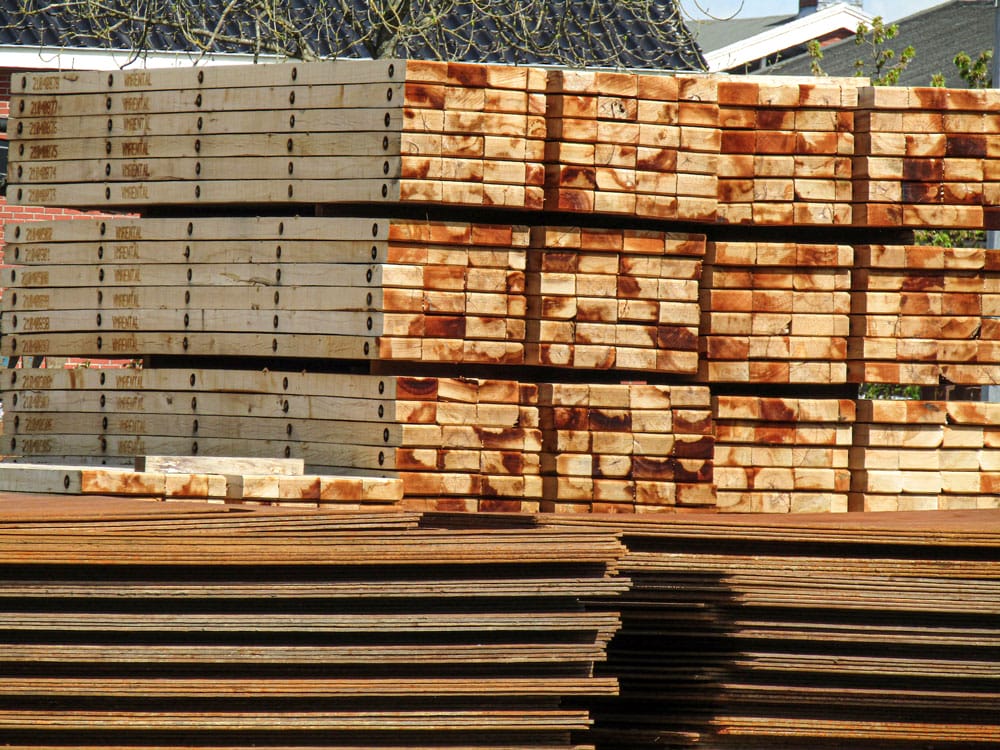
Length, width and thickness influence the layout, handling and transport arrangements. A dimension that looks efficient in a coverage calculation may be awkward to install at a restricted site or store in your yard.
Start with the route or working-area dimensions, then consider how the mats will be orientated and where transitions or changes of direction are needed. Check the clearance needed for the actual vehicles and plant. Where the application has structural requirements, the dimensions need to follow the assessment or design.
Ask for unit weights relevant to the proposed product. Timber weight varies, including with moisture, so avoid planning handling equipment solely from a generic weight found online. Confirm the approved handling method and any lifting provisions.
A quoted maximum tonnage means little without its conditions. Ask what loading arrangement and ground support it relates to. For plant that will operate on the mats, provide the relevant wheel, track or outrigger load data as well as total machine weight.
Temporary access and working platforms may need a design appropriate to the job. Purchasing mats does not transfer responsibility for the site assessment or make a particular arrangement suitable by default.
If the mats might be used over an opening, treat that as a separate structural application. Ground-supported use and a free span cannot be assessed from the same general description.
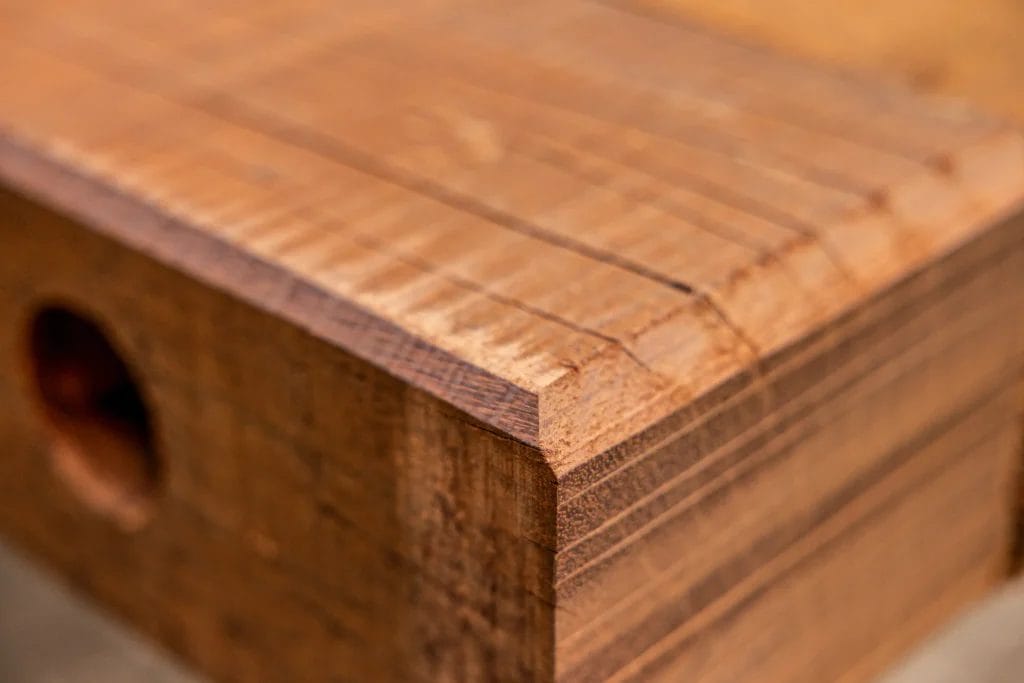
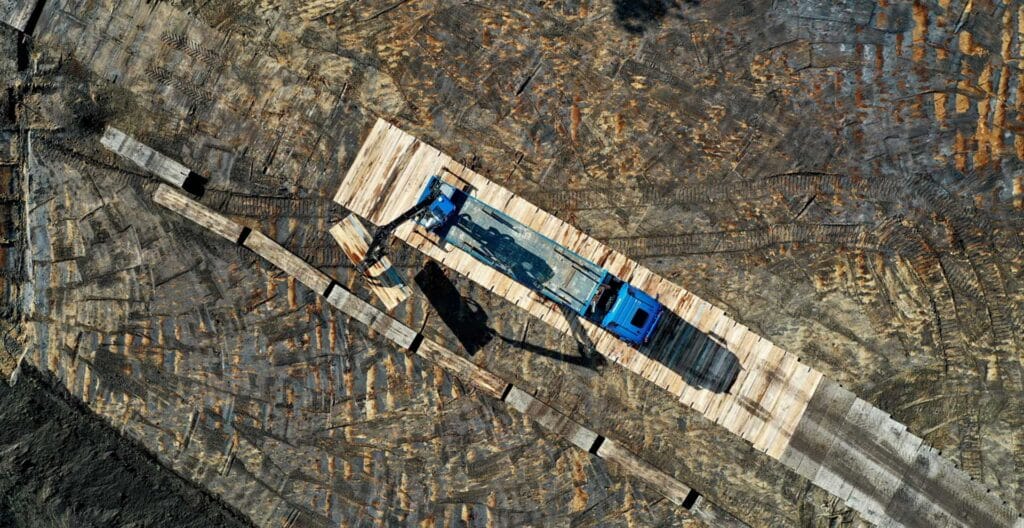
Whether you buy new or used mats, agree the condition and specification before delivery and inspect them on receipt. Check dimensions, visible beam damage, connections and handling provisions against the order and inspection requirements.
Arrange a system for identification, inspections and withdrawal from service when defects are found. Cleaning and storage should support that process, with suitable handling and stable stacking. Keep records so that damaged material does not return to service simply because it has moved to another project.
For second-hand stock, ask about earlier use, repairs and the checks carried out. You can discuss current batches through our used bog mats information.
Include transport to the first site, movement between projects, storage and handling equipment. Add inspection, cleaning, repairs and expected replacement costs. If buying would tie up material that is needed only occasionally, compare hire on the same basis.
For a UK delivery, confirm the destination, lead time, transport scope and any shipment documentation arrangements. Our delivery and transport page explains the options to discuss; the project quotation should record the agreed scope.
Request a quote with your project mix, specification and logistics requirements. That gives you a purchase decision based on usable material and realistic costs, rather than price per mat alone.
Clients we are proud of