We work for
Clients we are proud of


How to choose a temporary road plate supplier for a UK project
Choosing a temporary road plate supplier involves more than finding a competitive hire rate. The plates need to suit the ground, the vehicles and the route. Delivery and removal must also fit the programme, with clear responsibility for unloading, installation and inspections.
For a UK construction site, industrial project or event, start with a brief that every supplier can price on the same basis. That makes it easier to compare offers and identify differences in specification or service before they affect the job.
Describe the job before asking for a price
Give suppliers the site location, proposed route and dates of use. Include the vehicles or plant, relevant load information and how often the route will be used. Mark turning areas, gradients, passing places and any locations used for parking or operation.
Share what you know about the ground. Existing paving, soft soil, made ground and recent backfill each introduce different questions. Site photographs help explain the layout, but they do not replace the ground assessment required for the application.
A useful quotation should respond to that brief. If the only information requested is the number of plates, check how the proposed product and layout will be assessed for your site.
Ask for material, length, width, thickness and unit weight. Check the surface finish, connection details and handling provisions where applicable. A general reference to heavy-duty road plates does not tell you whether two offers include equivalent products.
For steel plates, ask about condition and the inspection process. For plastic systems, establish the intended loading and support conditions as well as any handling limits. Lighter material may simplify logistics, but its suitability still depends on the particular system and application.
The scope matters too. Ground-supported access is different from covering a trench or creating a working area for crane outriggers. Any spanning or concentrated-load use needs an assessment for that purpose.
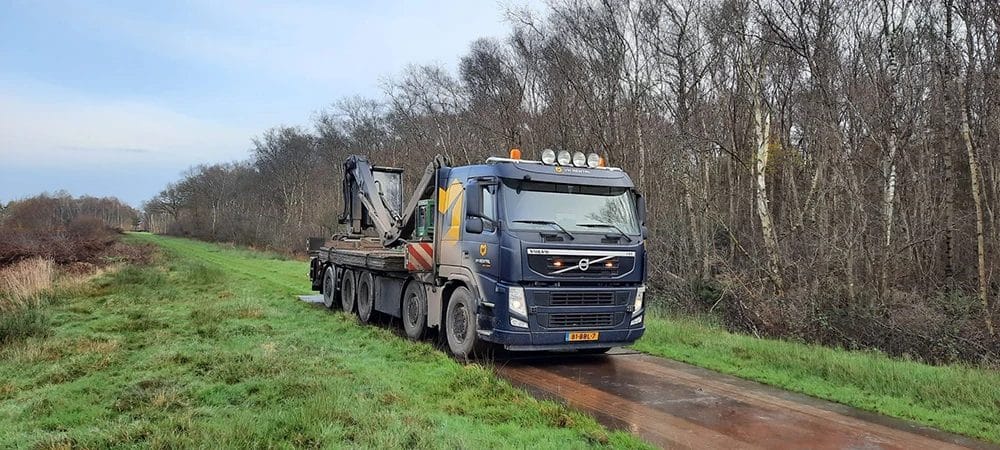
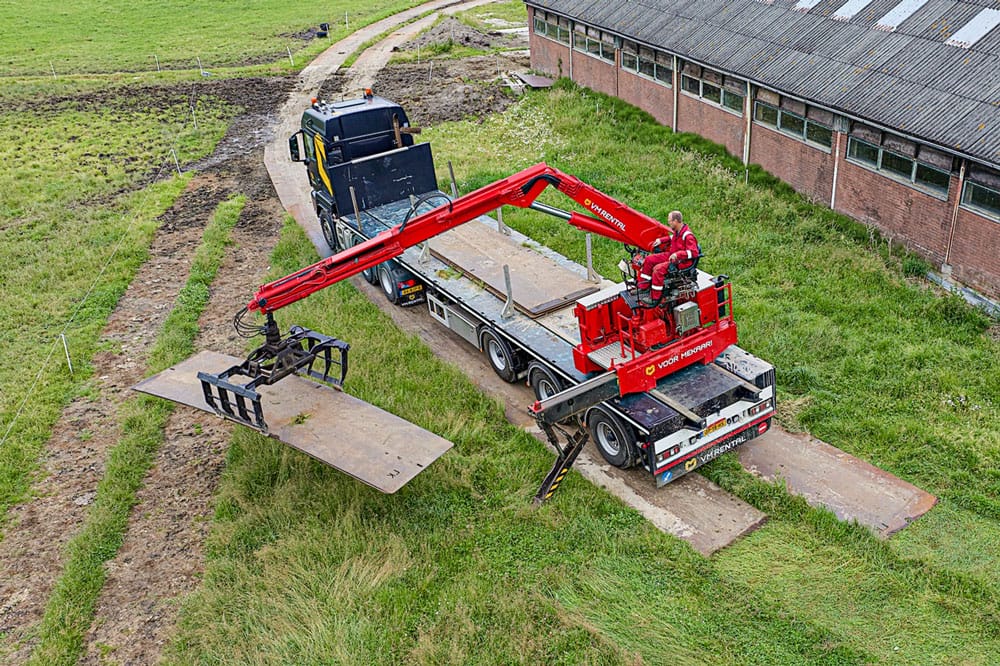
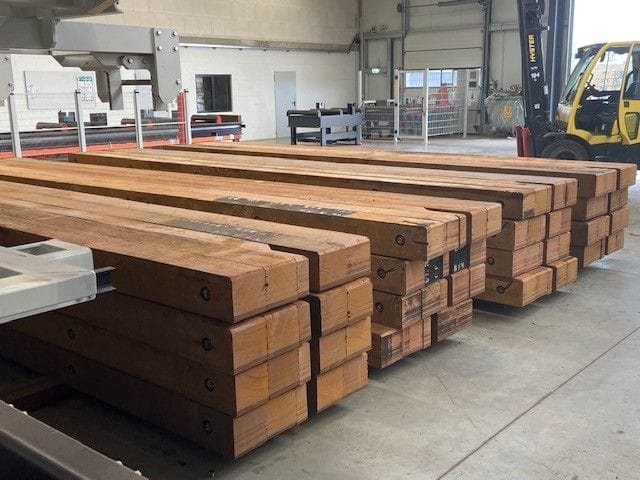
A supplier should be able to discuss the reasons for the product choice. For some access routes or working areas, timber bog mats may be worth assessing alongside road plates. The decision should follow the ground, loads and installation requirements rather than a general preference for steel, timber or plastic.
Our bog mats information explains the product options for enquiries. When comparing alternatives, keep the same traffic and ground assumptions so that the price comparison remains meaningful.
Different parts of a site may need different systems. If products are combined, the route layout, transitions and operating limits still need to work as one installation.
Check service availability for your UK destination rather than assuming that an English-language website means a supplier has local stock or a local installation team. Ask where the material will come from, what the quotation includes and when the required quantity can reach the site.
Provide access restrictions, delivery windows, height or weight limits and the proposed unloading position. Confirm whether the delivery vehicle can reach that position before the temporary route has been installed. A poorly located unloading point can create avoidable handling and delay.
If supply involves international transport, agree the delivery terms and responsibilities for the shipment and documentation. A quick quotation response and a confirmed site delivery date are different commitments.


Clarify who provides unloading equipment, who installs the plates and who checks the completed route. A supply-only price cannot be compared directly with an offer that includes transport and installation.
Where installation is included, establish the layout and method, how movements will be controlled and how the work will be coordinated with other contractors. If the supplier is not responsible for design or ground assessment, identify the party that is.
For routes used by pedestrians, discuss transitions, edges and the need to separate people from vehicles. For vehicle routes, include turning areas and any measures required to control displacement. Keep responsibilities for maintenance and inspection clear throughout the hire period.
Request a cost breakdown covering hire, outward transport, collection, installation if required and any ancillary items. Ask when charging starts and ends, how extensions work and how collection should be booked. Include cleaning, contamination, damage and missing-item terms in the comparison.
Check how condition will be recorded at delivery and return. Photographs and delivery records can help avoid disagreements, especially where several contractors share a route. Agree what happens if the project changes or extra material is needed, without assuming that an extension or urgent delivery will always be available.
The lowest daily rate may not produce the lowest project cost. Use the same scope and expected duration for each offer, then compare the practical delivery and service arrangements.
You can review VM Group’s road plate hire page and delivery and transport information. For a UK project, ask us to confirm the available products, destination coverage and service scope for that location.
Request a quote with the layout, ground information, traffic details and dates. A specific brief gives you a better basis for selecting a supplier than a price per plate on its own.
Clients we are proud of