We work for
Clients we are proud of


Buying new or used bog mats
Used bog mats can be an attractive option when you want to reduce the initial cost of temporary access. New mats may offer a clearer starting point for managing a fleet over several projects. Neither label tells you, on its own, whether the mats will suit the ground and loads on your site.
A useful comparison starts with the specification you need, then looks at the condition and costs of the material offered. That keeps the decision focused on what you are buying and how you will use it.
Begin with the required specification
Set out the mat dimensions, timber specification and proposed use before comparing prices. Include the ground conditions, plant and traffic movements. New and used mats should both be assessed against those requirements.
A new mat is not automatically suitable for every load or site. A used mat is not automatically unsuitable for demanding work. The specification, condition and proposed arrangement remain the deciding factors.
If quotations include different thicknesses, timber types or quantities, ask suppliers to explain the differences. Otherwise, an apparent saving may reflect a different product rather than a better price.
What buying new can offer
New mats can give you a more consistent starting batch, with agreed dimensions and a known supply specification. That can help with handling, stock records and planning future use. When comparing bog mats for sale, those operational benefits belong in the purchasing decision alongside the initial price.
You still need to inspect the material on receipt and confirm that it matches the order. Storage and site use then affect how long it remains serviceable. New material does not remove the need for maintenance, appropriate handling or a suitable installation.
Avoid budgeting from a promised number of years alone. The intensity of use, environmental exposure and damage sustained during handling can vary significantly between fleets.
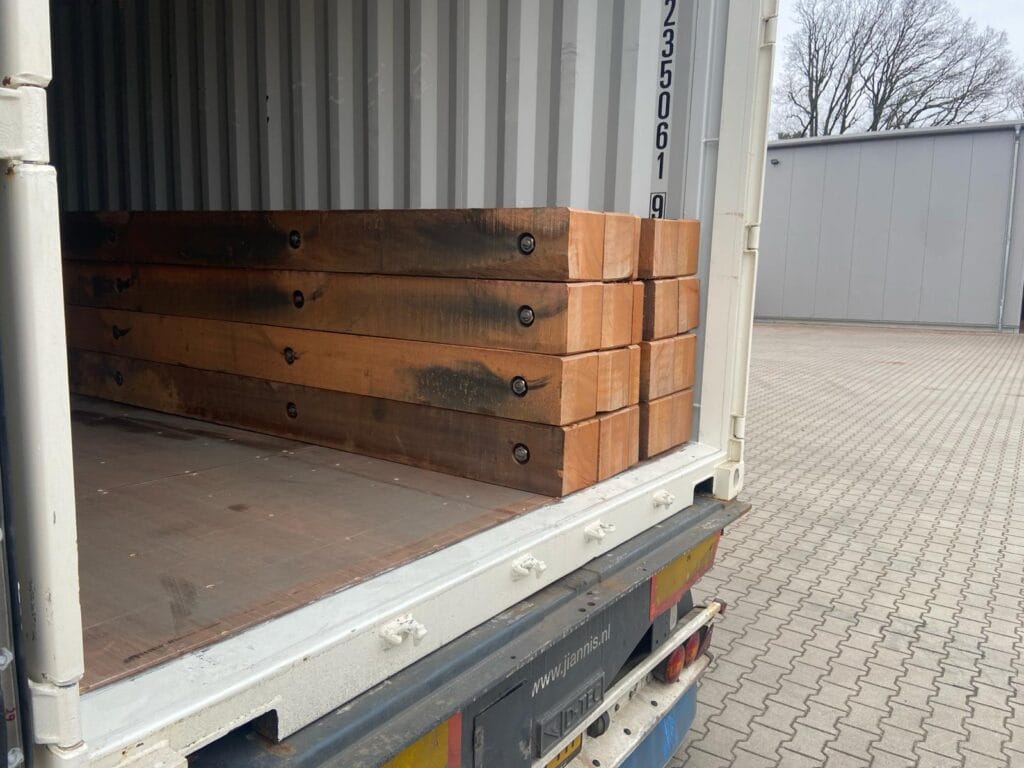
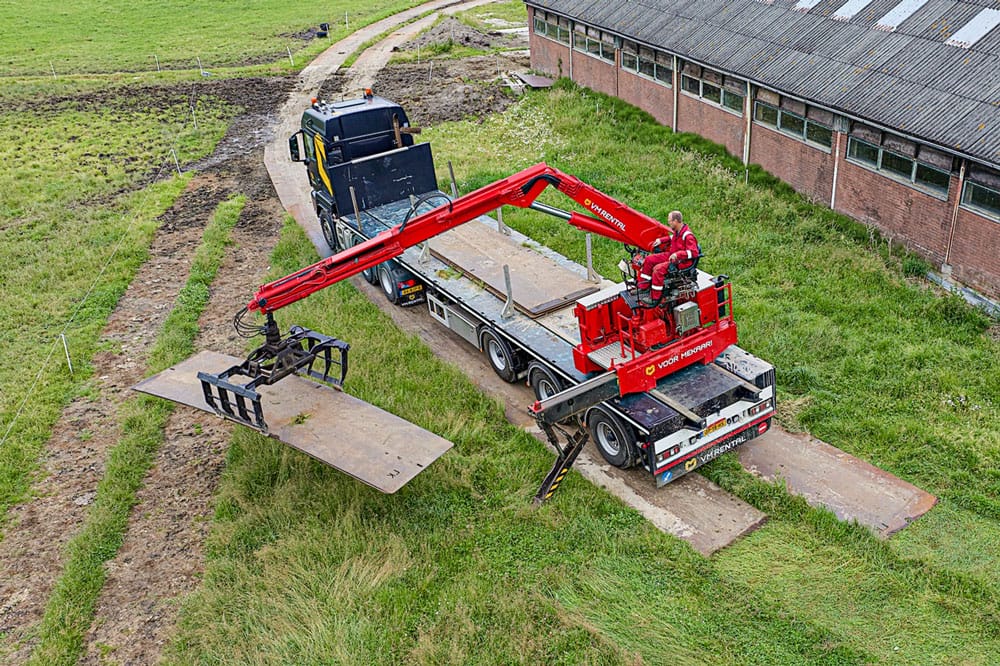
Ask about the timber, dimensions, earlier use and any inspection or refurbishment carried out. Request photographs of the actual batch, including edges, beams and connections where possible. A general image of used stock is less useful than information about the mats offered to you.
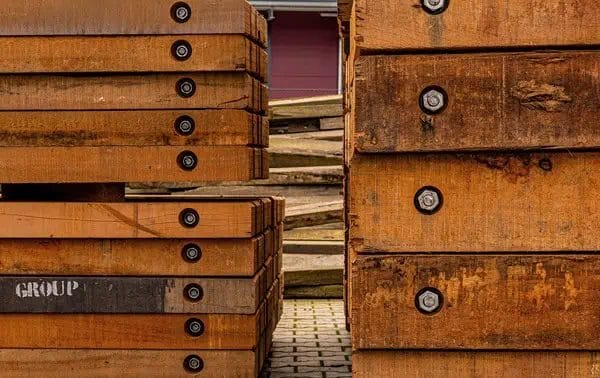
Look for distortion, damaged beams, loose components and defects around handling provisions. Check whether the batch is reasonably consistent for your intended layout and stacking arrangements. Differences between individual mats may affect installation and handling even where their nominal dimensions are similar.
A visual inspection is useful for identifying damage, but does not prove structural suitability. Where performance must be demonstrated, ask what information is available and how the material will be assessed for the proposed use.
Refurbishment should be described, not assumed. Ask which parts were inspected, repaired or replaced and how the completed mat was checked. Replacing an outer beam does not make every aspect of an older mat equivalent to new material.
VM Group’s used bog mats page describes its inspection and refurbishment approach. When enquiring, ask about the condition and specification of the current batch and the quantity available for your project.
Also discuss any concerns about contamination or previous service conditions where these matter for the site. The information you need for an agricultural field may differ from that needed for an industrial location with specific environmental requirements.

Purchase price is one part of the calculation. Add delivery, handling, inspection, repair and storage, then consider replacement and likely resale arrangements. Use the same quantity, application and planning period for both options.
For a used batch, allow for the work needed to bring it into your own inspection and stock-management system. For new mats, account for the capital committed and how often you expect them to be deployed. Treat future resale value as an assumption, not a guaranteed return.
A short project may make a used purchase worth considering, but bog mat hire is another option. Comparing all three on the same project basis can be more useful than deciding between new and used ownership in isolation.
If you need a consistent fleet for repeated work, new material may simplify stock planning. If a suitable inspected batch is available for a defined job, used mats may reduce the upfront spend. The right choice depends on specification and condition, not a general rule that one option is safer or cheaper.
Do not compensate for uncertain condition by ordering extra mats or placing a weaker mat underneath another one without an assessed arrangement. Quantity and suitability are separate questions.
Tell VM Group about the project, required dimensions, expected use and delivery location to request a quote. We can discuss the new and used options available and the information you need to compare them properly.
Clients we are proud of