We work for
Clients we are proud of


Bog mats and road plates can both help keep a site accessible, but choosing between them starts with the job they need to do. A delivery route across a prepared surface has different requirements from a working area on wet ground or a route used by tracked plant. Material strength matters, but so do the ground beneath it, the way vehicles apply their loads and the layout of the route.
This guide compares timber bog mats with steel and plastic road plates. It explains what to check before specifying temporary access for a construction site, an industrial project or an event.
What is the difference between bog mats and road plates
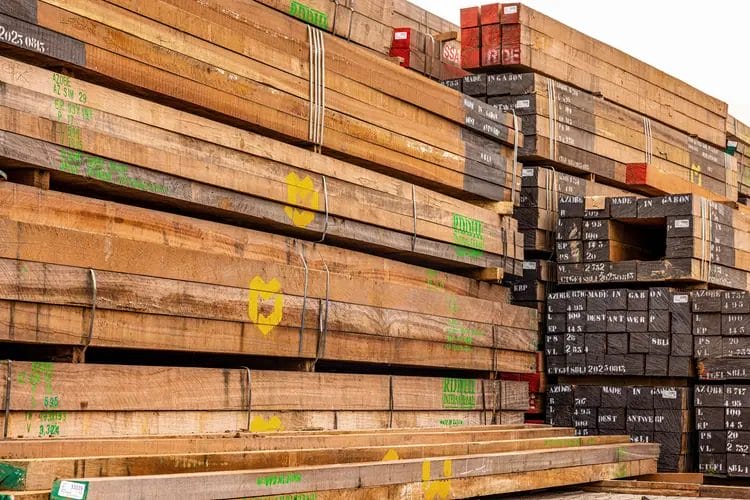
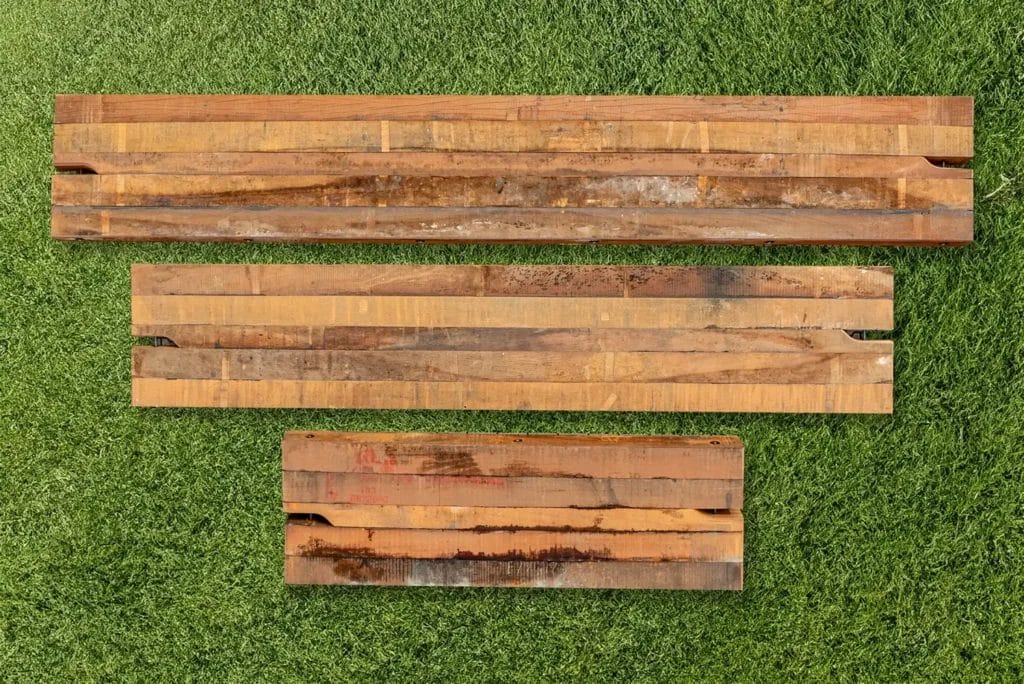
Timber bog mats are substantial mats assembled from timber beams. They are used for temporary access and working areas where the mat specification and ground conditions suit the proposed use. Suppliers may also describe them as timber mats or timber crane mats, depending on the application. You can explore the options on our bog mats page.
Road plates is a broader product description. Steel plates and plastic access panels differ in thickness, stiffness, weight, surface finish and connection arrangements. A steel road plate designed for a particular application should not be treated as equivalent to a lightweight plastic panel simply because both create a temporary surface.
Product names alone are therefore a poor basis for comparison. Ask for the dimensions, material, condition and intended use of the actual system being offered.
A mat or plate needs suitable support beneath it. On soft ground, the aim may be to distribute the applied load across a greater area and limit rutting. On an existing paved surface, protection from contact damage may be the main concern. Neither objective removes the need to assess what the ground or pavement can support.
Check the whole route rather than just the entrance. A firm approach can lead into a wet hollow, a recently backfilled trench or an area containing buried services. Rain can also change conditions during the project. Identify drainage issues and places where vehicles will turn, stop or queue before deciding on the layout.
For an event, consider the condition of the site after removal as well as access during set-up. Ground protection can reduce damage, but it does not guarantee that grass, paving or an underlying surface will remain unaffected.


Total vehicle weight is only part of the specification. Wheel loads, axle loads and track contact areas affect how the load reaches the surface. A crane on outriggers introduces concentrated reactions that need separate assessment. A route suitable for a passing vehicle is not automatically suitable as a crane working platform.
Repeated braking and turning also affect the installation. Mats or plates may move, edges may become exposed and local ground support may deteriorate. The assessment needs to account for these conditions, not just a stationary load on a level surface.
An unsupported opening changes the problem again. Covering an excavation or spanning a ditch requires a design for that use. Ordinary ground-supported access mats should not be assumed to work as a bridge or trench cover.
Surface condition matters with every material. Mud, water, oil and debris can affect traction on timber, steel or plastic. Assess the surface finish and the maintenance needed for the intended traffic. Avoid assuming that one material will always provide adequate grip in wet conditions.
The transitions between sections deserve equal attention. Changes in level, open joints and exposed edges can affect tyres and tracks or create trip hazards. A route used by pedestrians needs a layout appropriate to them, including consideration of public access and accessibility where relevant.
Plan vehicle movement so that wheels and tracks remain within the intended running area. Turning space and edge clearance should follow the actual plant movements rather than the nominal width of a vehicle.
The weight and dimensions of the product determine how it can be delivered and installed. Timber bog mats and steel plates generally require suitable handling equipment. Some plastic systems are lighter, but manual handling suitability must be checked for the particular panel and method. Plastic does not automatically mean that a panel can be safely carried by hand.
Ask who will unload, install and remove the system. Check access for the delivery vehicle, a suitable unloading position and space to store any material awaiting installation. If the route is needed before the delivery vehicle can reach the site, agree the installation sequence in advance.
Our road plate hire information describes the steel and plastic options. Discuss the destination and service required when enquiring about supply to your project.
Compare the total cost of temporary access
The hire rate or purchase price is only one line in the budget. Include outward and return transport, unloading, installation, maintenance, cleaning and any reinstatement. A system that needs more handling or additional ground preparation may cost more overall, even if the price per unit is lower.
Different zones may justify different solutions. For example, a prepared delivery route and a separate working area do not have to use the same product. Any combination still needs compatible transitions and a layout assessed for the intended loads.
Send VM Group the site location, route dimensions, ground information and plant details to request a quote. Those details give us a useful starting point for discussing the products and logistics your project needs.
Clients we are proud of