We work for
Clients we are proud of


A short project can still depend on reliable site access. Deliveries, plant movements and removal may all have to fit into a few days, with little room for an unsuitable route or missed delivery slot. Bog mat hire lets you arrange material for that period without buying a fleet for occasional use.
The key is to plan the hire as part of the job. Ground conditions, quantities, installation and collection need as much attention as the start date.
Hire is worth considering for temporary site entrances, access to utility works, industrial shutdowns and construction or event set-up. It may also help cover a peak in demand when you already own mats but need more for a particular phase.
The benefit is access to material for a defined requirement, subject to the specification and availability agreed with the supplier. You do not need to plan long-term storage for that batch after the project, although return arrangements and the condition of the material still matter.
Short duration alone does not prove that hire is the cheapest option. Compare the complete quotation with the alternatives, including transport and handling costs. Our bog mat hire page provides the starting point for an enquiry.
Mark the route length and required running width on a plan. Include corners, passing places, unloading areas and any positions where plant will operate. State the relevant vehicles and load data, and describe the ground along the full route.
For an event, distinguish plant access during set-up from any public pedestrian route. These have different requirements, and the same timber mat layout should not automatically be assumed suitable for both. Consider the final site condition and any reinstatement obligations as well.
A quantity estimate is useful for pricing, but the route or working area still needs to be assessed for its intended use. Hiring additional mats is not a substitute for resolving uncertain ground support.


Delivery, collection and handling can form a significant part of a short hire’s cost. Ask for those items to be priced separately from the hire rate. Include installation if needed, any minimum hire period and the terms for cleaning or damage.
A second delivery may add cost and interrupt the installation sequence. Review the quantities and layout early, especially where corners or separate work areas increase the requirement. Agree whether spare material is sensible for the programme rather than automatically adding a percentage to every order.
If the work could overrun, establish the extension process and charging terms. A short planned period can become expensive if the mats remain on site while the team waits for another part of the project to finish.
Give the supplier the site address, access restrictions, permitted delivery window and a named site contact. Confirm where the vehicle will unload and who provides suitable equipment. Check that the unloading area is accessible before the mat route has been completed.
For a UK site, ask for the lead time and transport arrangements for the actual destination. Avoid building a programme around a general fast-delivery statement. Our delivery and transport information explains the arrangements to discuss with VM Group.
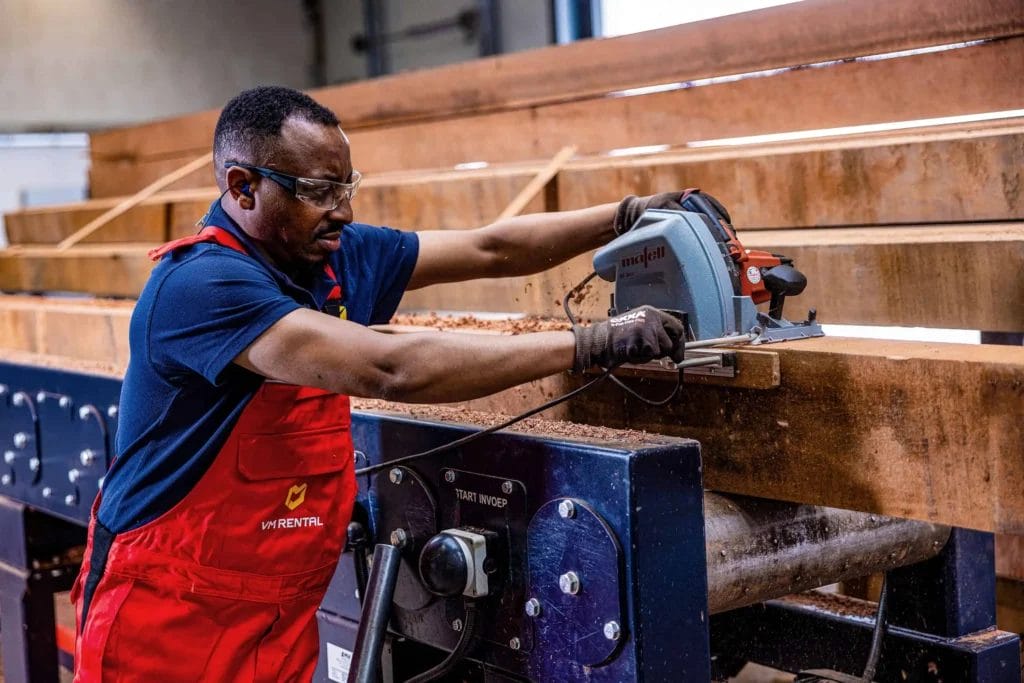
Installation should follow the agreed method and layout. Keep other traffic out of the working area and plan the sequence so that plant can reach each section without operating from ground that has not been assessed.

A route used for a week can still change after rain or repeated heavy traffic. Arrange checks appropriate to the site conditions and use, including the joints, transitions, edges and ground support.
Keep the surface clear where practical and manage vehicle movements within the assessed route. If movement, damage or settlement develops, follow the site’s procedures to stop use and resolve the issue. Do not continue on the assumption that the short remaining hire period makes the risk acceptable.
Record the condition of the mats at delivery and any issues identified during use. That supports maintenance decisions and gives both parties a clearer basis for the return inspection.
Confirm how much notice is needed to book collection, who removes the mats and where they will be stacked for loading. Agree how the return will be handled if the site is muddy, contaminated or difficult to access after the work.
The route may still be needed for the last delivery or for removing plant. Schedule removal around those movements so that access is not lost too early. Make the hire end date and collection arrangements explicit in the agreement.
For a short project, request a quote with your layout, dates, equipment and site information. With those details agreed, bog mat hire can be planned around the work itself rather than becoming another task to resolve at the last minute.
Clients we are proud of